English

language
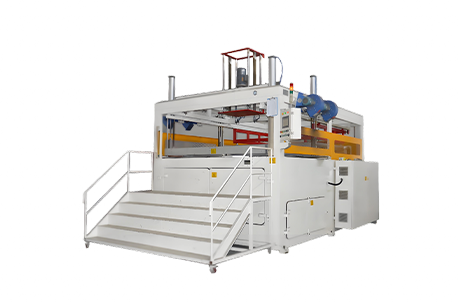
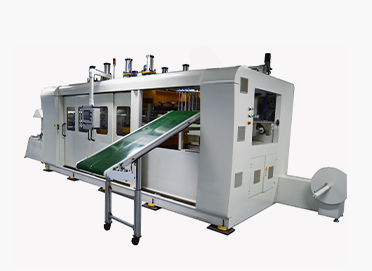
Home Products Manual Feeding Thick Gauge Thermoforming Machine

Application of Vacuum Forming in the Automotive Industry

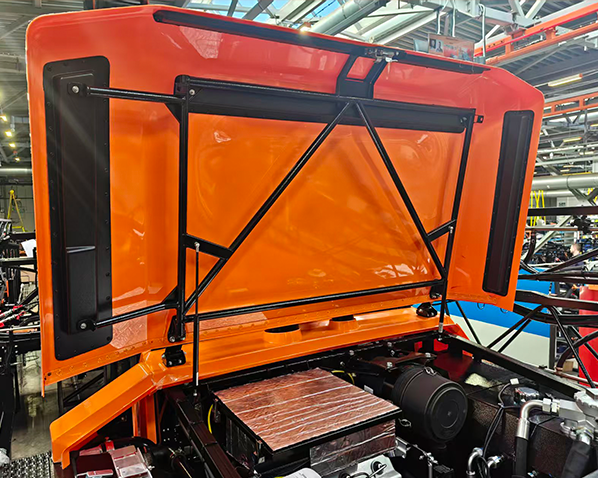
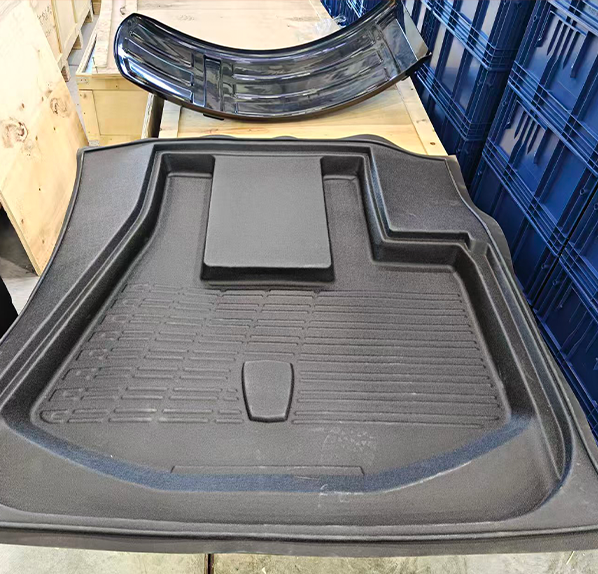
In the automotive field, the vacuum forming process is primarily used to produce interior and exterior components, especially for large-area, complex-shaped but not deeply structured parts, thanks to its advantages of low cost, high efficiency, and short mold development cycle
Here are the specific application areas of vacuum forming in the automotive industry:
Interior Component Applications
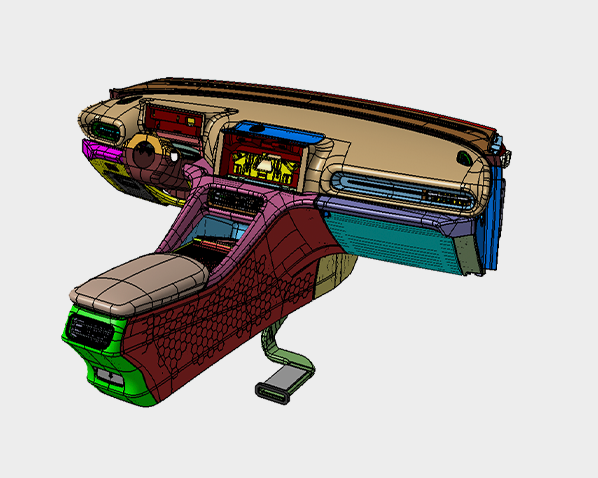
  • Instrument Panel (Dashboard) Passenger Airbag Cover Dashboard Main Body/Upper Cover Center Console Panels/Trim Accents
  • Door Panels Door Panel Main Body/Map Pocket Armrest/Decorative Panel
  • Other Interior Components Headliner/Interior Lining: Seat Back Panels Trunk Side Panels/Trim A/B/C Pillar Trims
Exterior Component Applications

In exterior parts, vacuum forming is mainly used for components that require large areas and good appearance but have relatively lower demands for strength and impact resistance.

  • Underbody Panels/Splash Shields Engine Undershield/Chassis Guards Wheel Arch Liners
  • Grille Components Grille Surrounds/Ornamental Trims
  • Other Exterior Components Bumper Spoilers/Airdams Emblem/Badge Bases
Advantages of Vacuum Forming in the Automotive Industry

High Cost-Effectiveness Low Mold Cost Short Production Lead Time

  • Good Design Flexibility Well-suited for producing large-area components with complex curves, effectively realizing designers' styling intentions. The surface can be pre-embossed with various exquisite textures (wood grain, geometric patterns, leather grain, etc.).
  • Lightweight
  • High Degree of Integration Allows for the lamination of different colored or textured materials (e.g., fabric, non-woven fabric) with the plastic substrate in a single forming step, reducing subsequent assembly processes.
Commonly Used Vacuum Forming Materials

High Cost-Effectiveness Low Mold Cost Short Production Lead Time

  • ABS (Acrylonitrile Butadiene Styrene)
  • PP (Polypropylene)
  • PVC (Polyvinyl Chloride)
  • PC (Polycarbonate)
  • ABS+PC Alloy
  • PMMA (Acrylic)

Summary

In conclusion, vacuum forming is an indispensable part of modern automotive manufacturing. With its unique advantages in cost and production flexibility, it holds a significant position in the production of medium to large-sized cover panels and decorative parts for automotive interiors and exteriors. As demands for vehicle lightweighting and interior aesthetics continue to increase, the application prospects for vacuum forming technology remain very broad.

MAIN ADVANTAGES

Product Features of Semi-Automatic Thick-Gauge Thermoforming Machines
Optimal Balance of Automation and Manual Control
  • The machine automates the critical, repetitive, and heat-intensive phases of the cycle (heating, forming, cooling) to ensure consistent quality. Meanwhile, manual intervention is used for loading/unloading and mold changes.
High Cost-Effectiveness and Lower Investment
  • Capital Investment: Offers a much more affordable entry point compared to fully automated thermoforming lines.
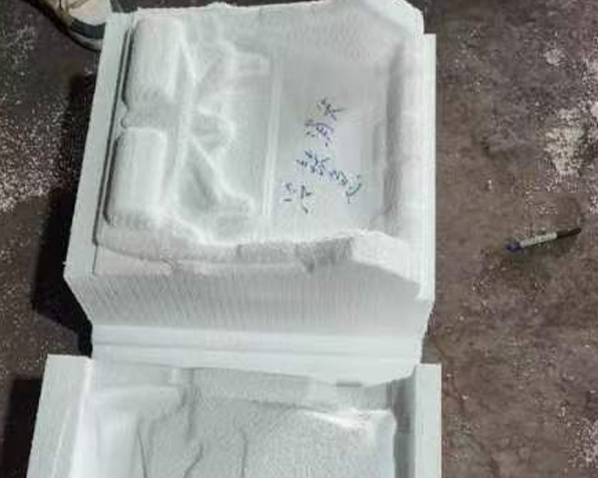
  • Mold Flexibility: Compatible with cost-effective mold materials (e.g., structural foam, wood, epoxy) which is ideal for prototyping and short-to- medium production runs.
  • ROI: Provides the best return on investment for manufacturers who do not require high-volume, 24/7 unattended production.
Superior Flexibility for Varied Production
  • Quick Changeovers: The manual loading/unloading and mold setup allow for rapid switching between different jobs and product designs.
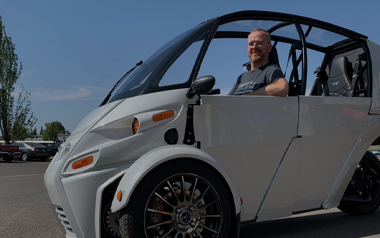
  • Ideal Application: Perfect for custom part manufacturing, prototyping, and producing large parts where full automation is not economically justified (e.g., vehicle interiors, equipment housings, medical cart panels).

RELATED CASES

RELATED PRODUCTS

FREQUENTLY ASKED QUESTIONS

What is the delivery time
For the manual feeding machine, normally 6~7 weeks Automatic feeding machine: 8~10 weeks Special design project: 12~14 weeks
Which countries has the machine been sold to?
For the manual feeding machine, normally 6~7 weeks Automatic feeding machine: 8~10 weeks Special design project: 12~14 weeks
How do you do after sales service, like installation, training and commissioning.
For the manual feeding machine, normally 6~7 weeks Automatic feeding machine: 8~10 weeks Special design project: 12~14 weeks
Which countries has the machine been sold to?
For the manual feeding machine, normally 6~7 weeks Automatic feeding machine: 8~10 weeks Special design project: 12~14 weeks
How do you do after sales service, like installation, training and commissioning.
For the manual feeding machine, normally 6~7 weeks Automatic feeding machine: 8~10 weeks Special design project: 12~14 weeks
Which countries has the machine been sold to?
For the manual feeding machine, normally 6~7 weeks Automatic feeding machine: 8~10 weeks Special design project: 12~14 weeks
How do you do after sales service, like installation, training and commissioning.
For the manual feeding machine, normally 6~7 weeks Automatic feeding machine: 8~10 weeks Special design project: 12~14 weeks

Talk to Expert

Contact us and we'll get back to you soon
*We respect your privacy. When you submit your contact information, we agree to only contact you in accordance with our Privacy Policy.
Ask a free consultand f or your project now
What is thermoforming and its applications in plastic containers
Contact Us
×

Contact Us

*We respect your privacy. When you submit your contact information, we agree to only contact you in accordance with our Privacy Policy.